
Every article, guide and use case in one place.
Practical how-tos, sector guides and longer reads from the field. Filter by topic or search for the page that matches your interests.

Showing 18 of 18 articles.
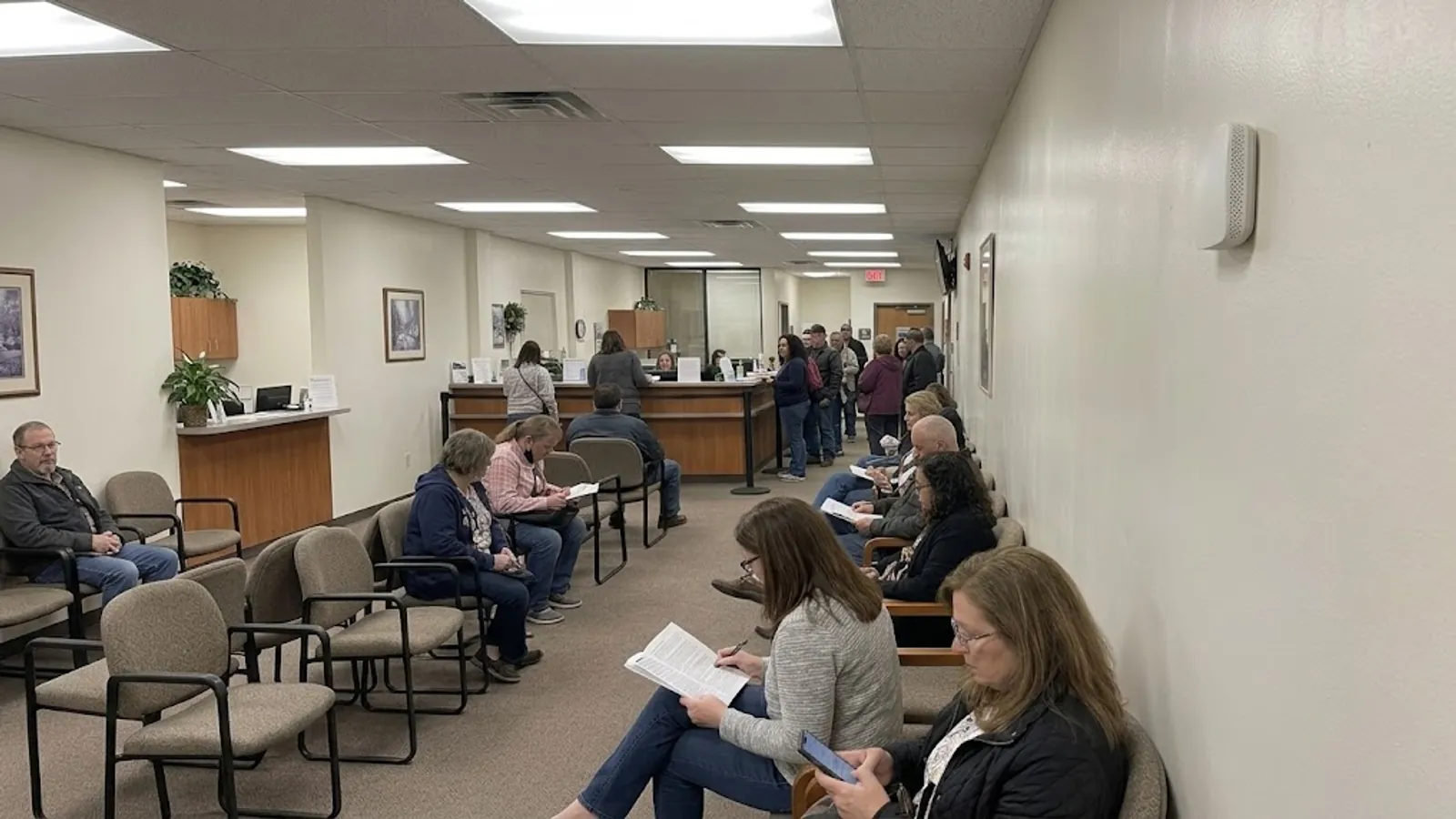
CO2 monitoring with sensors: the figure that shows whether a room is getting enough air
The CO2 level tells you whether ventilation is keeping up with the number of people. See the thresholds, and how to measure and respond in practice.
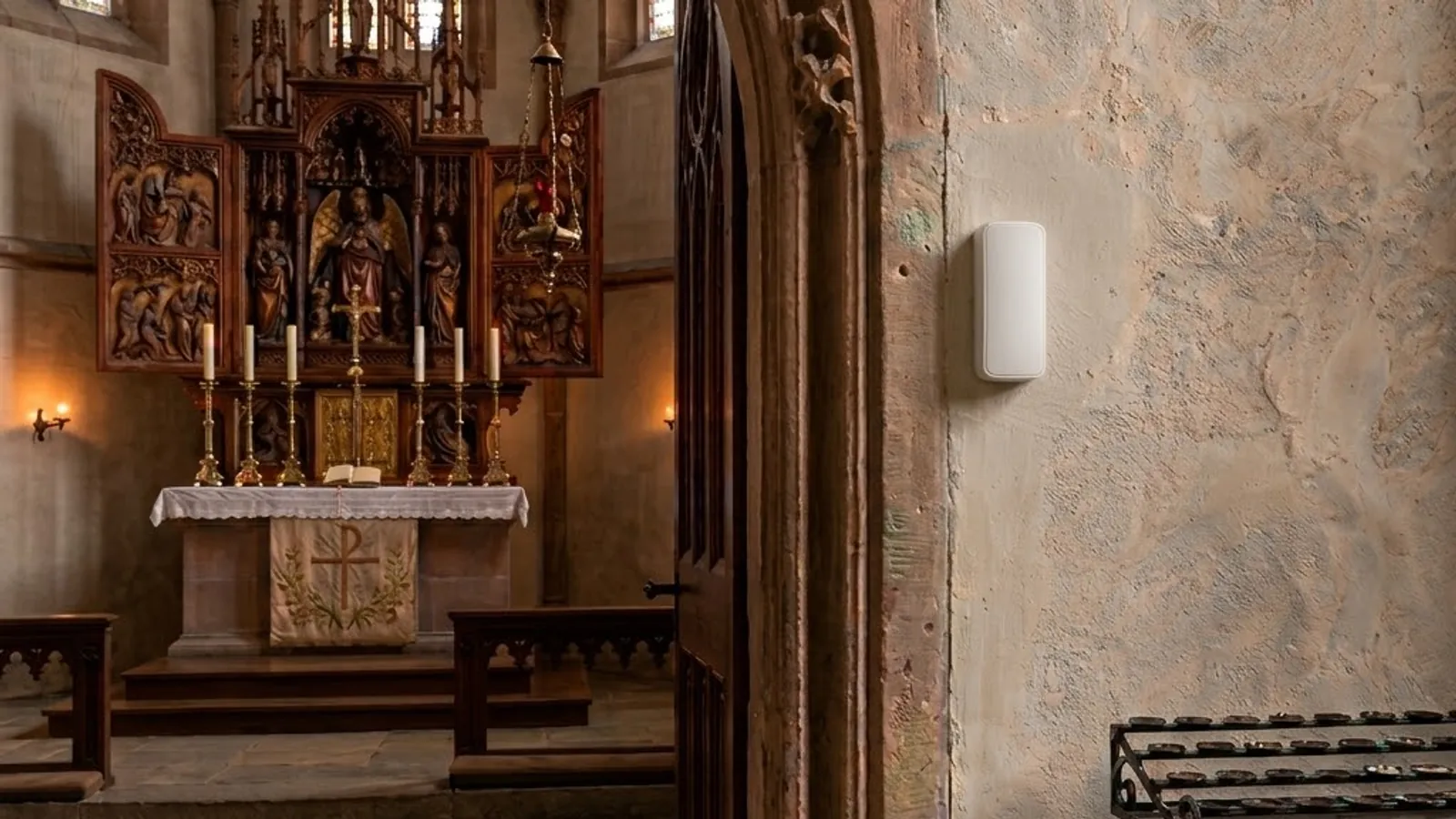
EN 15757: why the fluctuations do more harm than the level
The standard measures against the room's own historical climate, not against 50% humidity. See what a safe band is, and when it counts as established.
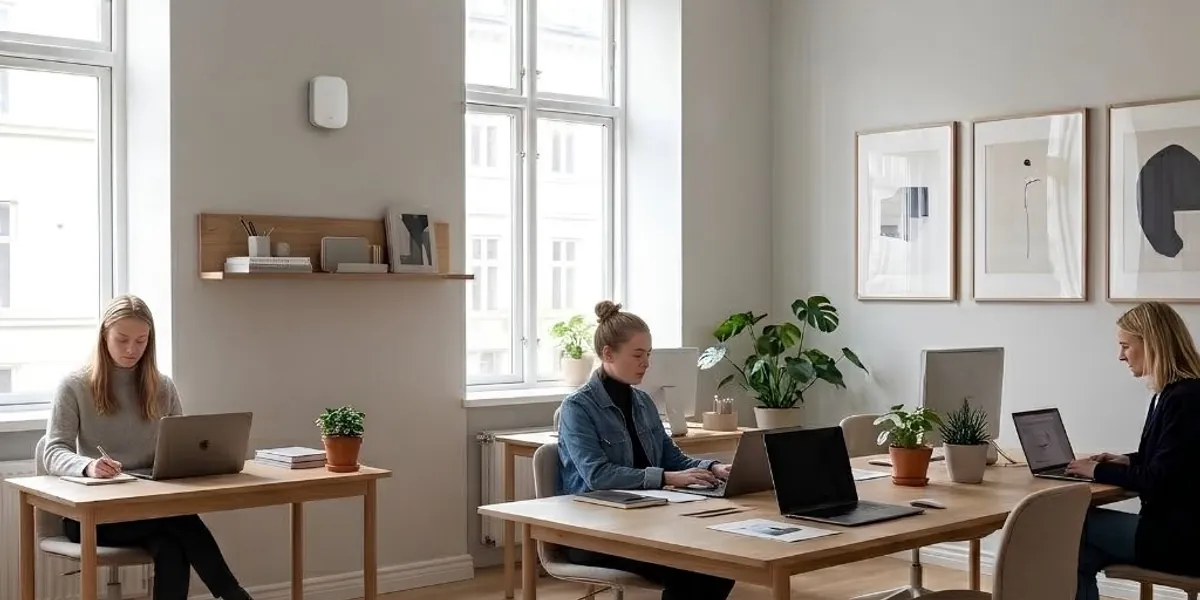
EPBD report: document the indoor climate the way the directive asks
EPBD 2024 requires measured indoor climate data in buildings. See what the report shows, and what needs to be in place before you can order it.
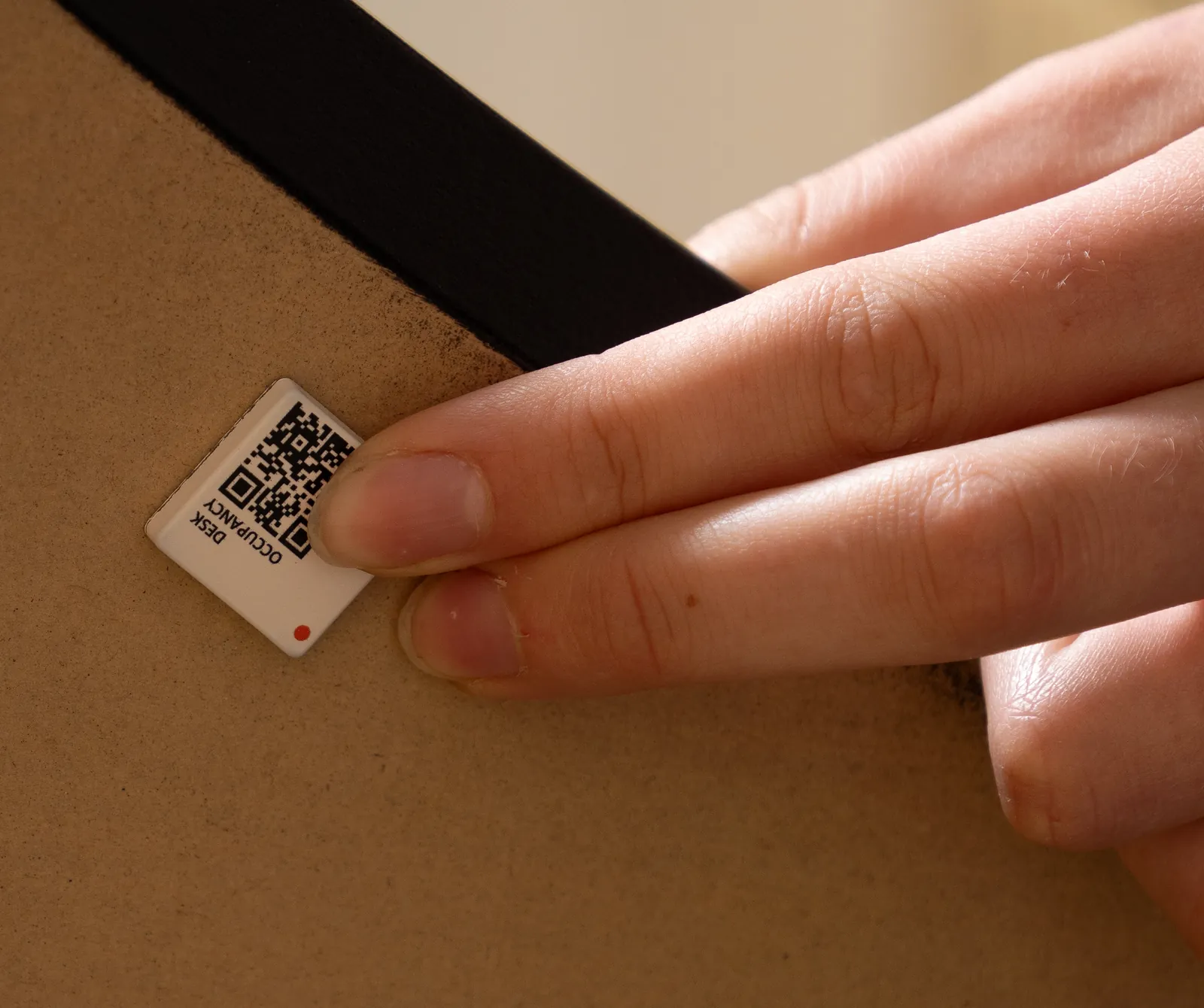
How many seats are you actually using?
Occupancy data from sensors shows which desks are used and when in the week — and how much space you really need.
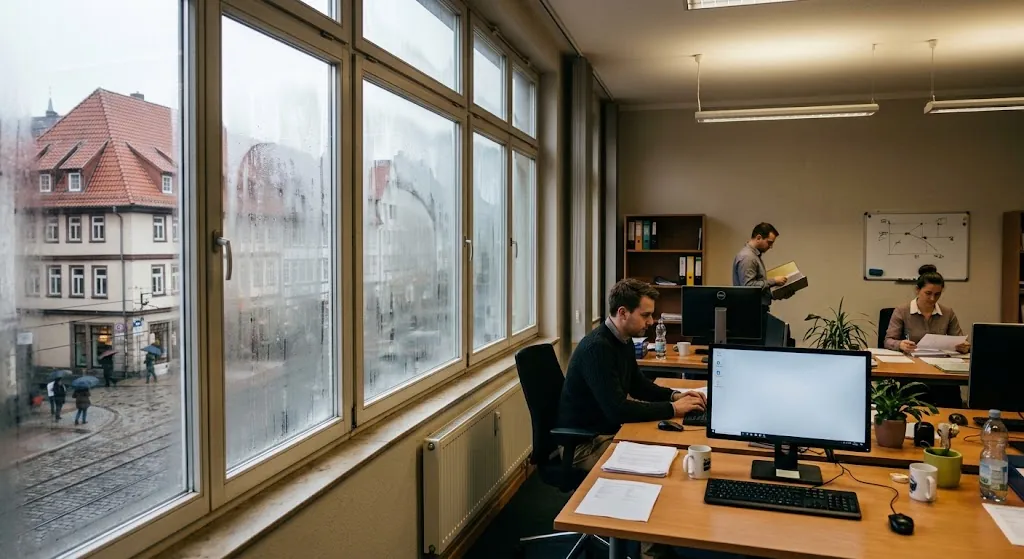
Humidity monitoring: the figure between dry winter air and mould in the corner
Air that is too dry brings headaches, air that is too damp brings mould. What relative humidity means, and how to follow it properly.
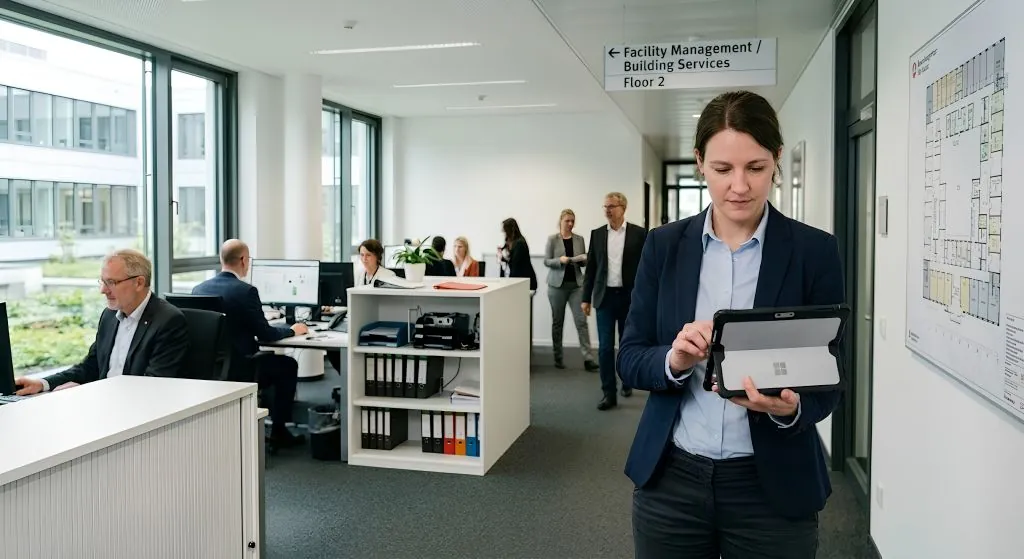
Indoor climate deviations: how long, how bad and in which rooms
A single breach tells you little. See how deviation analysis reveals the pattern and points to the rooms that need sorting out first.
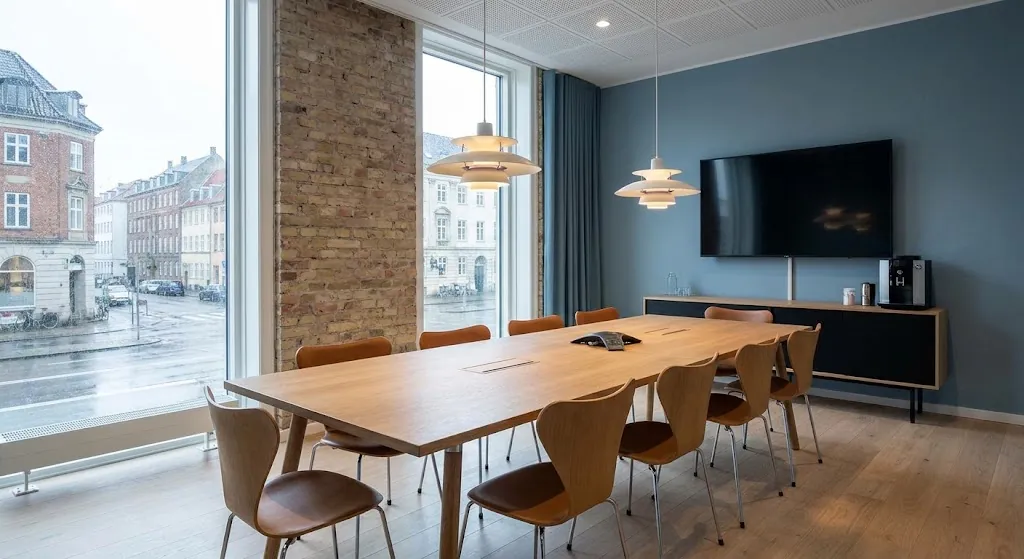
Meeting rooms at the right size: four people in a room for twelve
Most meetings are small, and most meeting rooms are large. See how measured data shows which rooms ought to be split up.
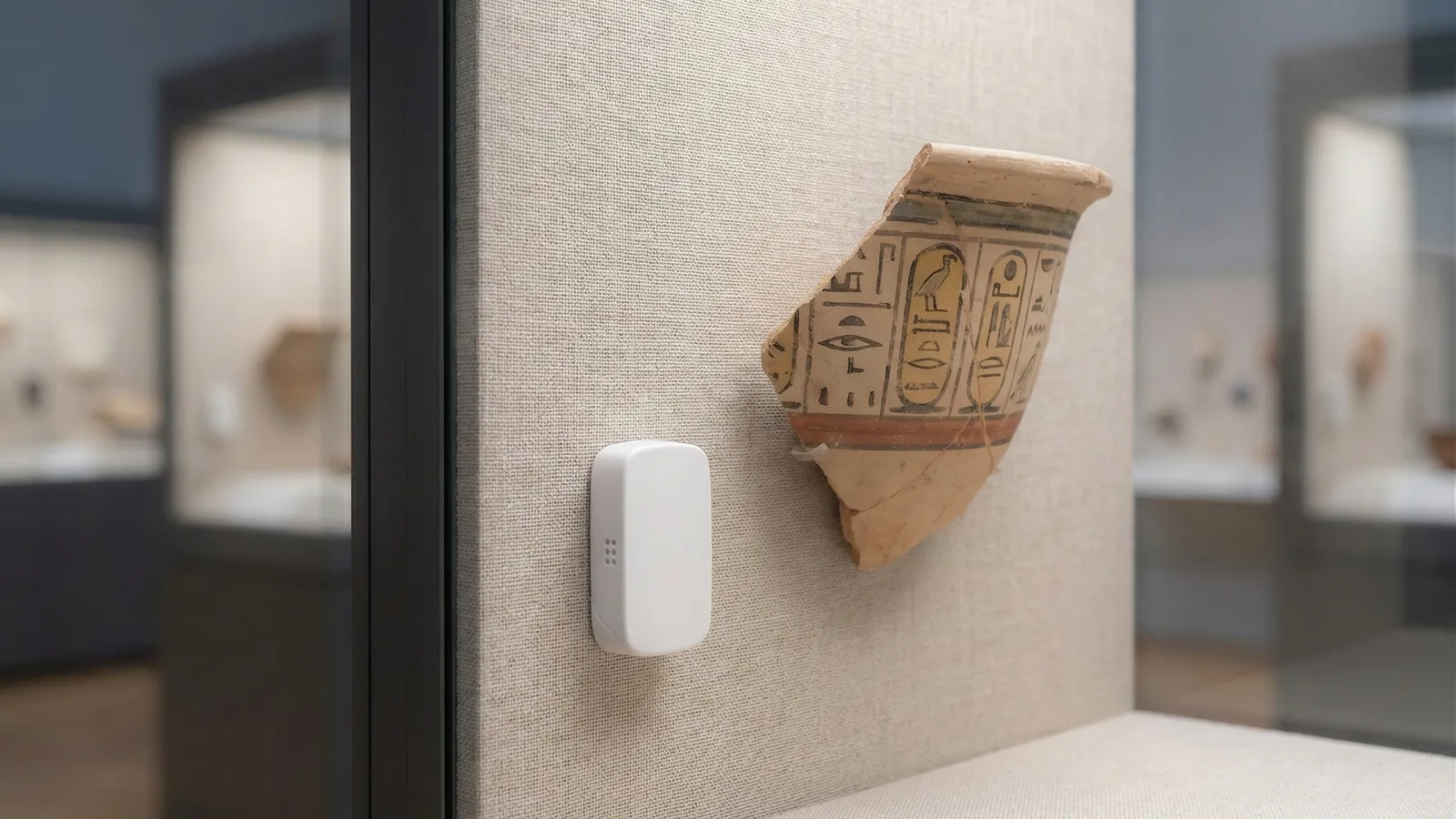
Mould risk under the VTT model: the warning before there is anything to see
The VTT model turns temperature and humidity into a mould index from 0 to 6 — and catches the risk weeks before the patches appear.
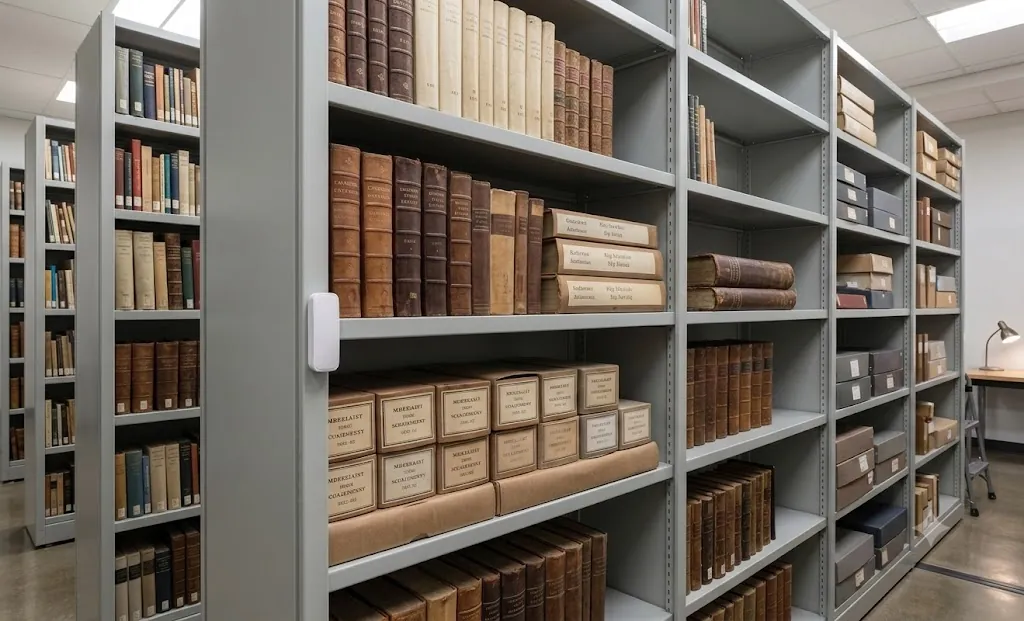
Preservation heating: what are you paying for degrees the collection never asked for?
Stores are often heated more than preservation requires. How heating waste is calculated — and why the summer months do not count.
Preservation monitoring: six answers on whether the climate is harming the collection
Temperature and humidity alone do not tell you whether the objects are safe. See the six analyses that translate the readings into preservation.
Scenarios and thresholds: 135 ready-made sets, so you do not have to invent the numbers
What is a reasonable threshold for a meeting room, an archive or a cold room? See how scenarios set the thresholds for your rooms.
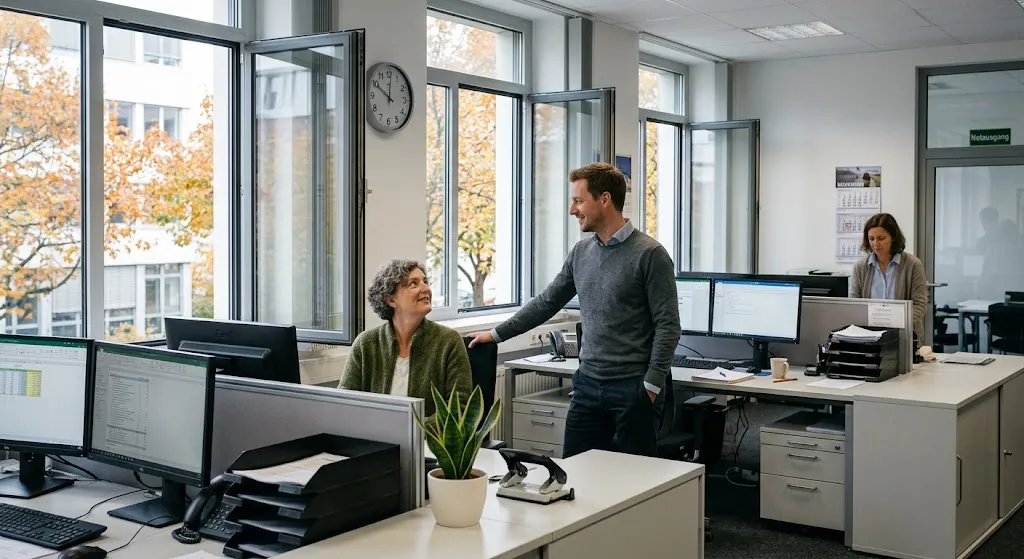
Summer overheating: when is it too warm, and who has to prove it?
Summer heat in the office usually ends in an argument without data. What the rules say, and how to document the hot hours.

Temperature monitoring with sensors: from a feeling to a pattern
One reading in a room tells you little. See how continuous monitoring reveals the pattern behind the complaints — and where the thresholds should sit.

Threshold alerts: a message when it matters
Alerts are only useful if they do not turn into noise. See how to set up messages on temperature, humidity and CO2 without drowning in email.
Water alarms: acknowledge from the text message, without logging in anywhere
An alarm is only worth something if someone responds. See how staged escalation and acknowledgement straight from the message close the gap.
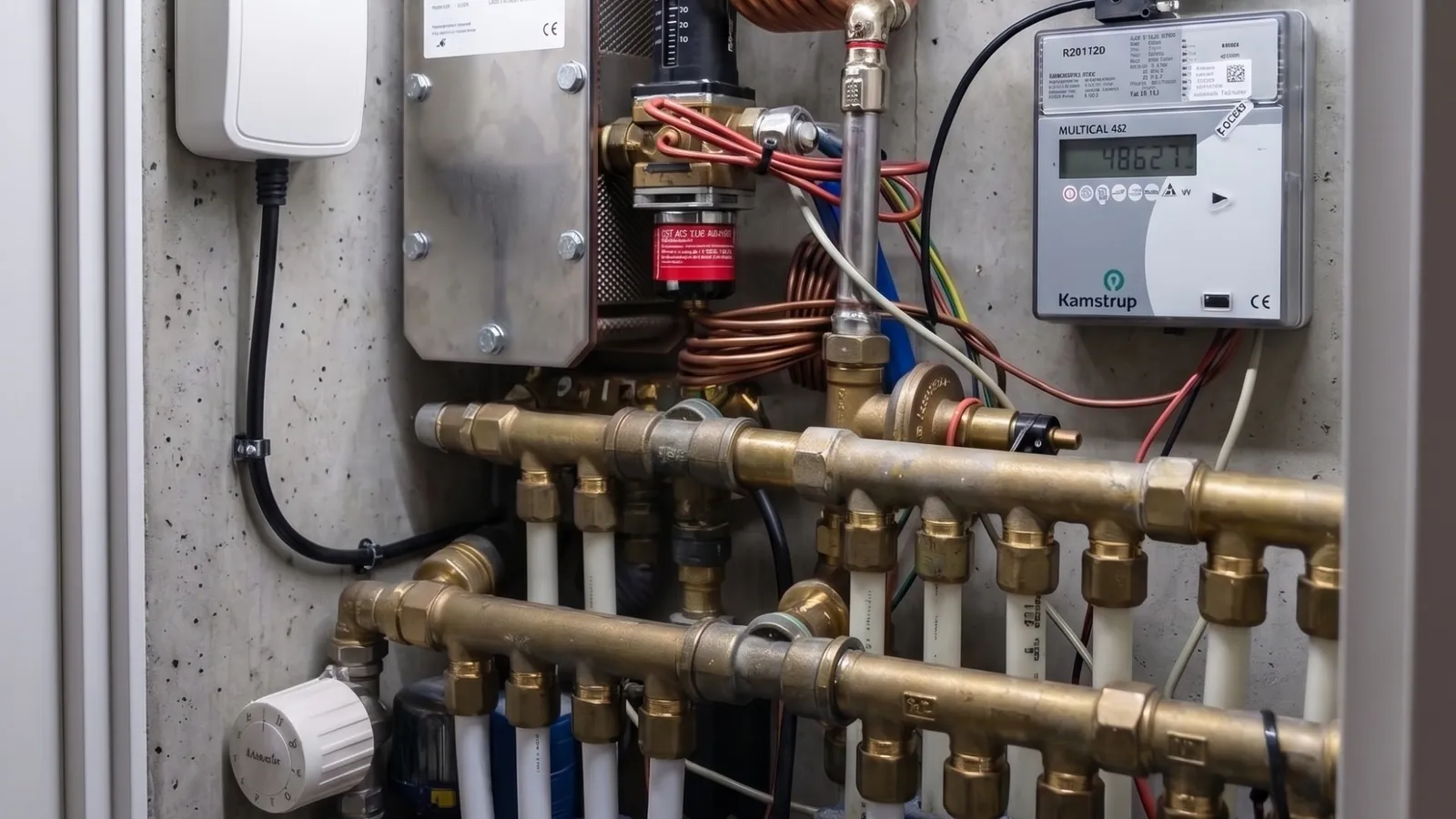
Water detection: find the leak now, before the damage grows large
A leaking valve costs most while nobody can see it. How water sensors, maps and alarms shorten the time from first drip to action.
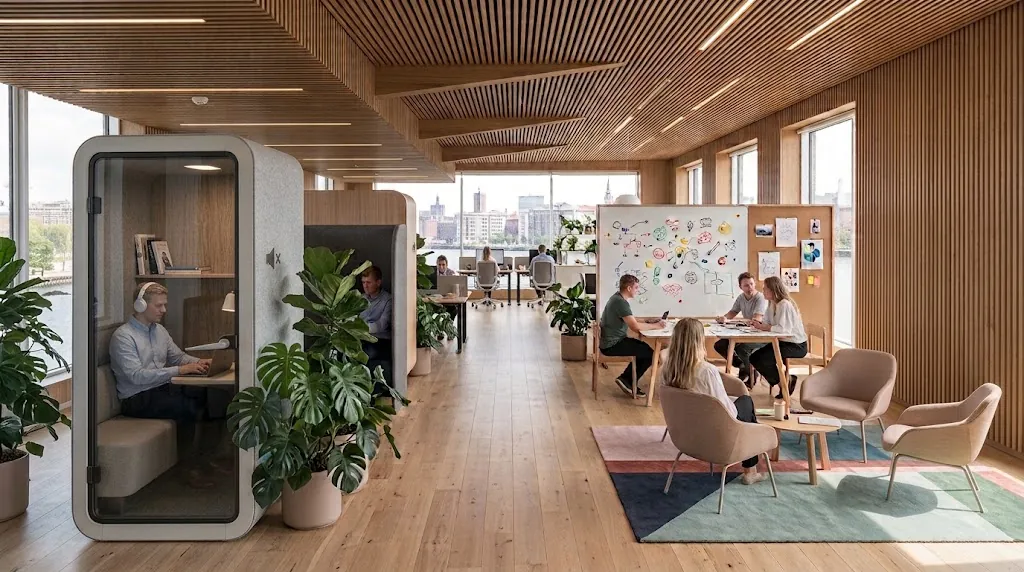
What is indoor climate? The numbers that explain why a room feels the way it does
Indoor climate is temperature, humidity and air quality in a room while it is in use. See what the numbers mean and how to follow them.
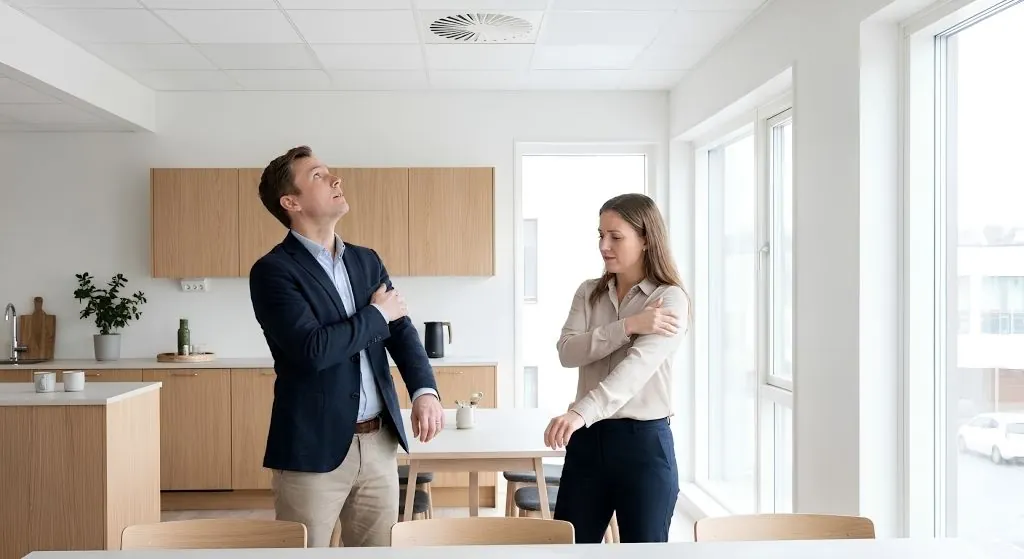
Workplace temperature rules: what the law says and what you can document
Is there a maximum workplace temperature? See what the law actually requires about heat in the office, and how you document the warm hours.
No results
Try adjusting your search or removing a filter. Missing a specific use case? Contact us.
Missing a specific use case?
Contact us. We're happy to put together a tailored walk-through for your building.