
Schools.Better air, better focus.
CO2, temperature and humidity monitoring that documents the indoor climate in every classroom.

Schools need objective indoor-climate data in every learning space, not just to meet guidelines, but to prove that ventilation and heating actually support concentration when rooms are full. Teachers and caretakers make daily airing decisions without a shared picture of CO2, humidity, or whether rooms are genuinely occupied after hours.
Typical challenges
- CO2 above 1,000 ppm in full classrooms: research links elevated CO2 to reduced concentration, yet most schools only react when someone complains.
- Ventilation by habit, not data: window-ventilation routines and mechanical systems rarely reflect actual occupancy or outdoor conditions.
- Energy spent on empty buildings: sports halls, auditoriums, and wings heated overnight because schedules assume rooms are in use.
- No audit trail for parents or inspectors: when air quality is challenged, schools need continuous logs, not a consultant visit once a year.
How RoomAlyzer helps
RoomAlyzer Indoor climate puts live CO2, temperature, humidity, and TVOC data in every classroom with alerts before guidelines are breached, giving teachers a clear signal to ventilate and leadership evidence that conditions are managed.
RoomAlyzer Space management maps real use in halls and specialist rooms so heating and ventilation can step back when buildings are empty. An Outdoor sensor gives a weather reference so natural ventilation decisions match conditions outside.
Smarter together: RoomAlyzer Indoor climate and Space management together show not only when air quality slips, but when energy is wasted heating rooms nobody is using.
Classroom monitoring does not have to mean cabling, gateways, or months of planning. RoomAlyzer sensors install in minutes and scale from one school to an entire district.
This could interest you too.
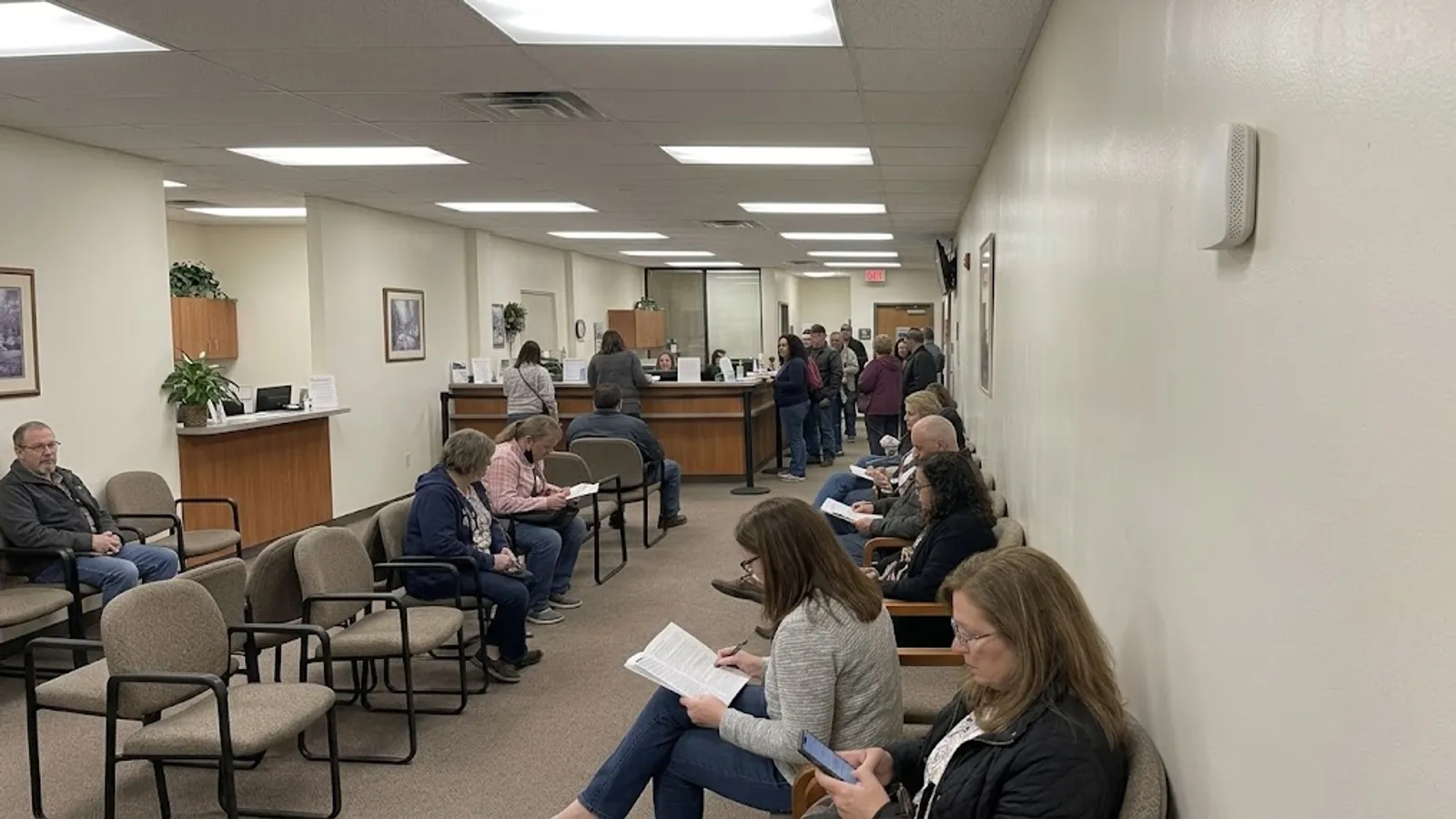
CO2 monitoring with sensors: the figure that shows whether a room is getting enough air
The CO2 level tells you whether ventilation is keeping up with the number of people. See the thresholds, and how to measure and respond in practice.
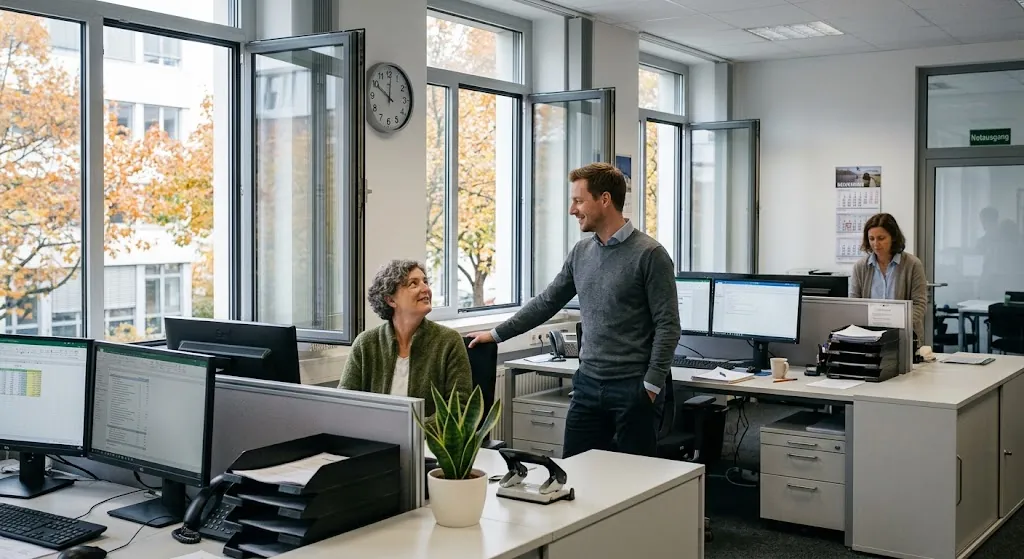
Summer overheating: when is it too warm, and who has to prove it?
Summer heat in the office usually ends in an argument without data. What the rules say, and how to document the hot hours.
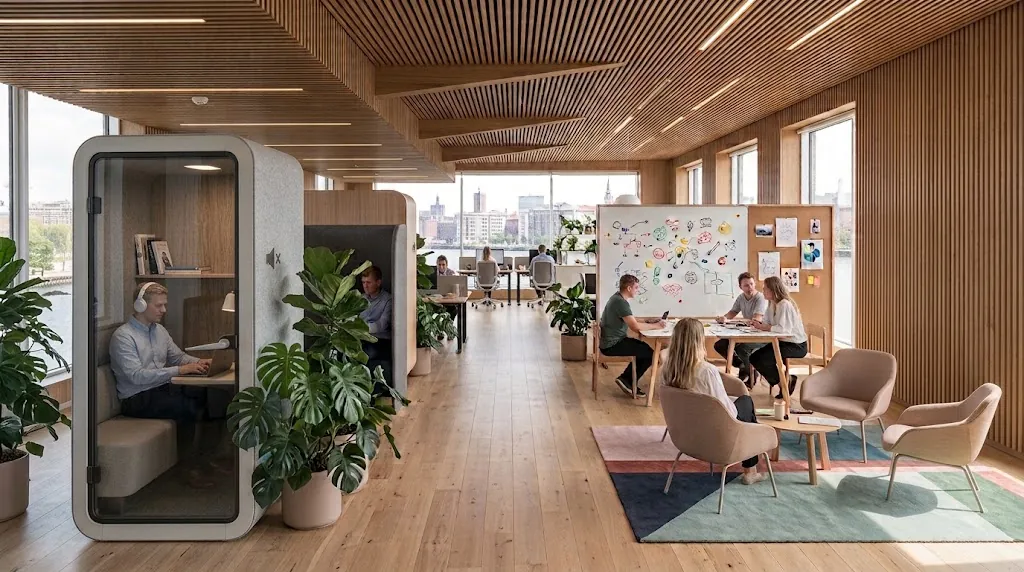
What is indoor climate? The numbers that explain why a room feels the way it does
Indoor climate is temperature, humidity and air quality in a room while it is in use. See what the numbers mean and how to follow them.
Want a setup tailored to your buildings?
Book a demo and we will walk through the sensors that fit your sector.