
Museums and galleries.Preserve what you exhibit.
Preservation module climate data aligned with international standards for collections and loan objects.

Museums and galleries must protect loan objects, stored collections, and exhibition rooms, often with documentation for insurers, lenders, and funders, while managing visitor-driven humidity spikes. A single bad week in a gallery or store can jeopardise loans, claims, and years of conservation work.
Typical challenges
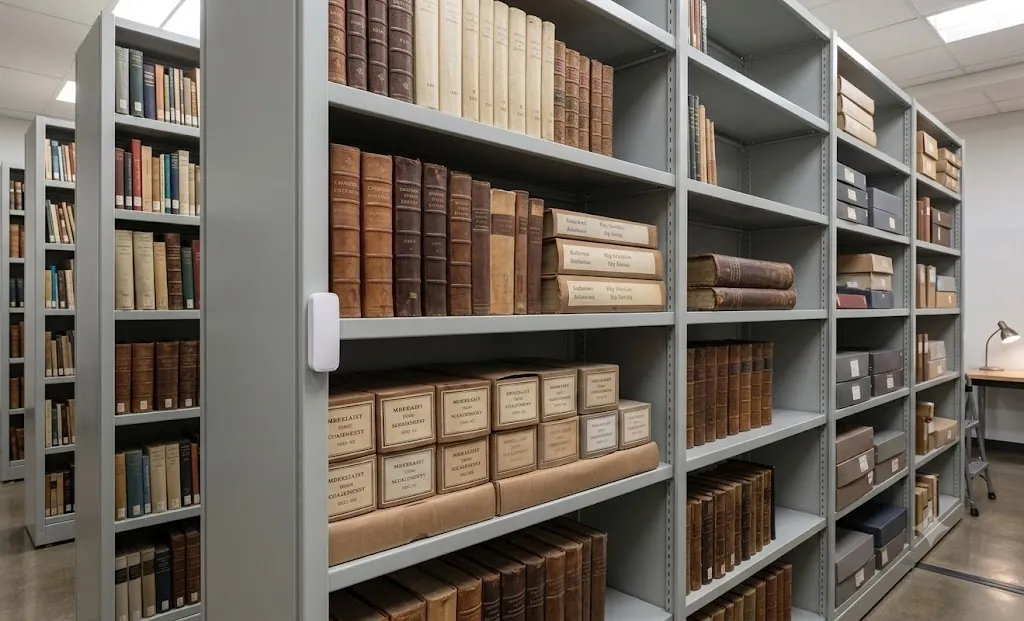
- Loan and storage requirements: lenders expect documented, stable conditions, but off-display storage often gets less monitoring than the main galleries.
- Visitor-driven climate spikes: groups and events push humidity and temperature up fast, and without presence data you cannot connect cause and effect.
- Insurance and grant documentation: when something goes wrong you need tamper-evident records, not a folder of manual readings.
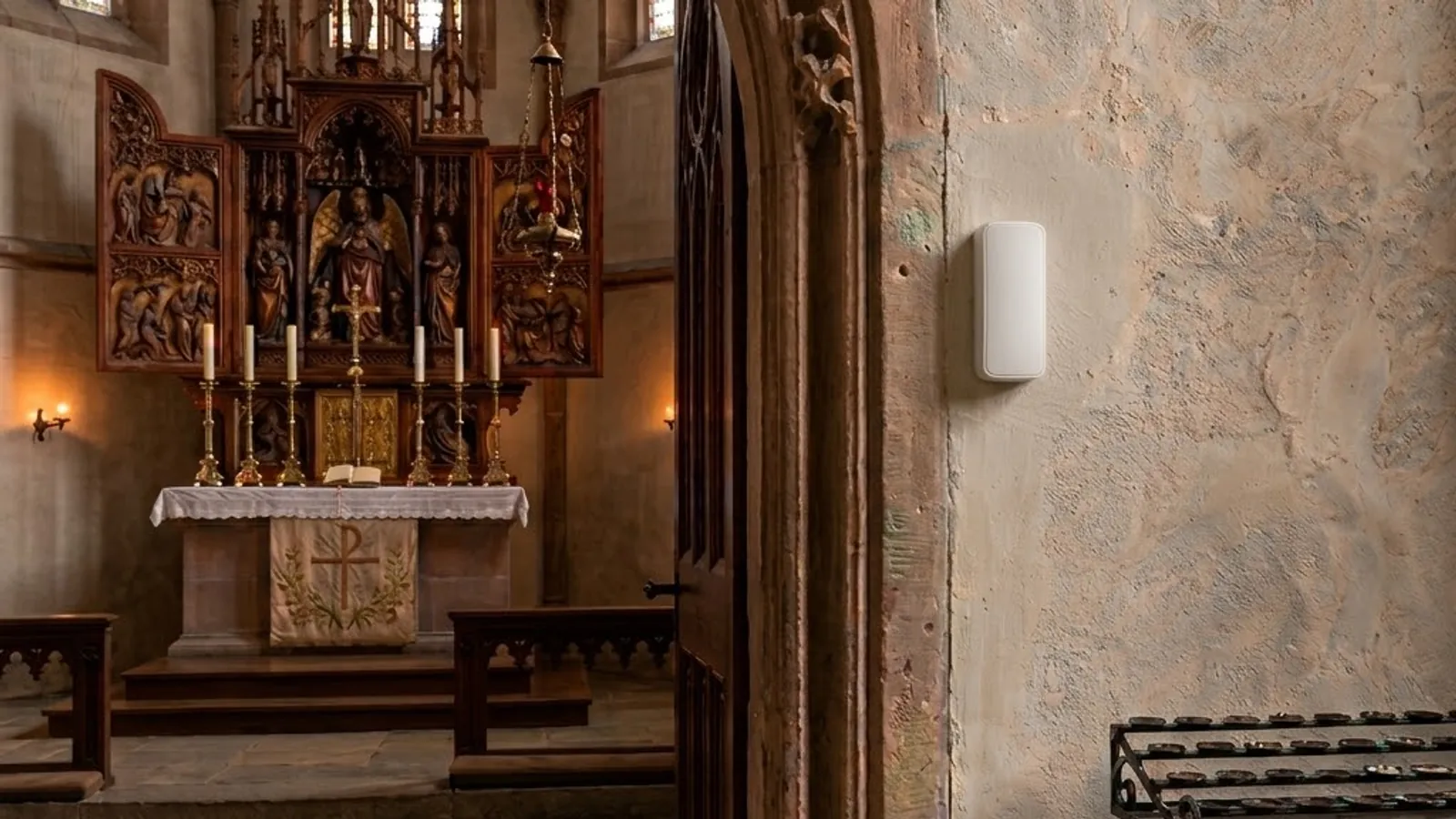
- Wireless installation in sensitive rooms: cables through historic fabric or busy galleries are rarely acceptable.
How RoomAlyzer helps
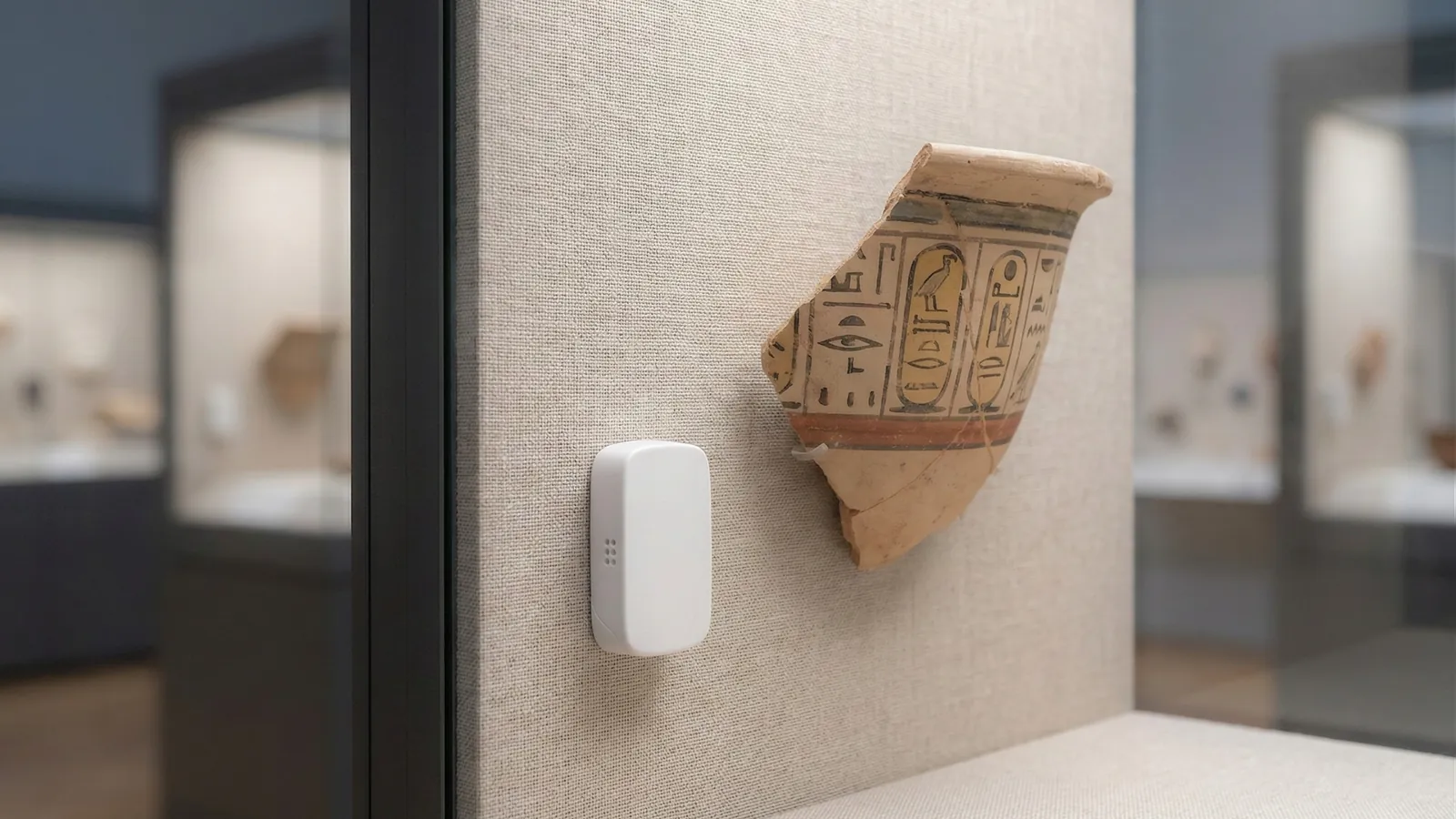
RoomAlyzer Preservation delivers continuous wireless temperature and humidity logging in EN 15757 bands, in galleries, stores, and transport crates. Curators get drift alerts before conditions slip, and audit-ready PDF reports for insurance and loan agreements.
Motion sensors map visitor traffic so humidity spikes can be tied to opening hours and capacity planned accordingly. An Outdoor sensor lets HVAC respond to real weather instead of guesswork, protecting collections while keeping energy in check.
Museum-grade climate monitoring is usually expensive and slow to roll out. RoomAlyzer installs in minutes, scales across every room, and costs a fraction of traditional systems.
This could interest you too.
EN 15757: why the fluctuations do more harm than the level
The standard measures against the room's own historical climate, not against 50% humidity. See what a safe band is, and when it counts as established.
Mould risk under the VTT model: the warning before there is anything to see
The VTT model turns temperature and humidity into a mould index from 0 to 6 — and catches the risk weeks before the patches appear.
Preservation heating: what are you paying for degrees the collection never asked for?
Stores are often heated more than preservation requires. How heating waste is calculated — and why the summer months do not count.
Want a setup tailored to your buildings?
Book a demo and we will walk through the sensors that fit your sector.